
- HOME
-
Renown Power
Advanced Earthing Solutions
High performance lightning protection and earthing systems engineered for industrial safety.
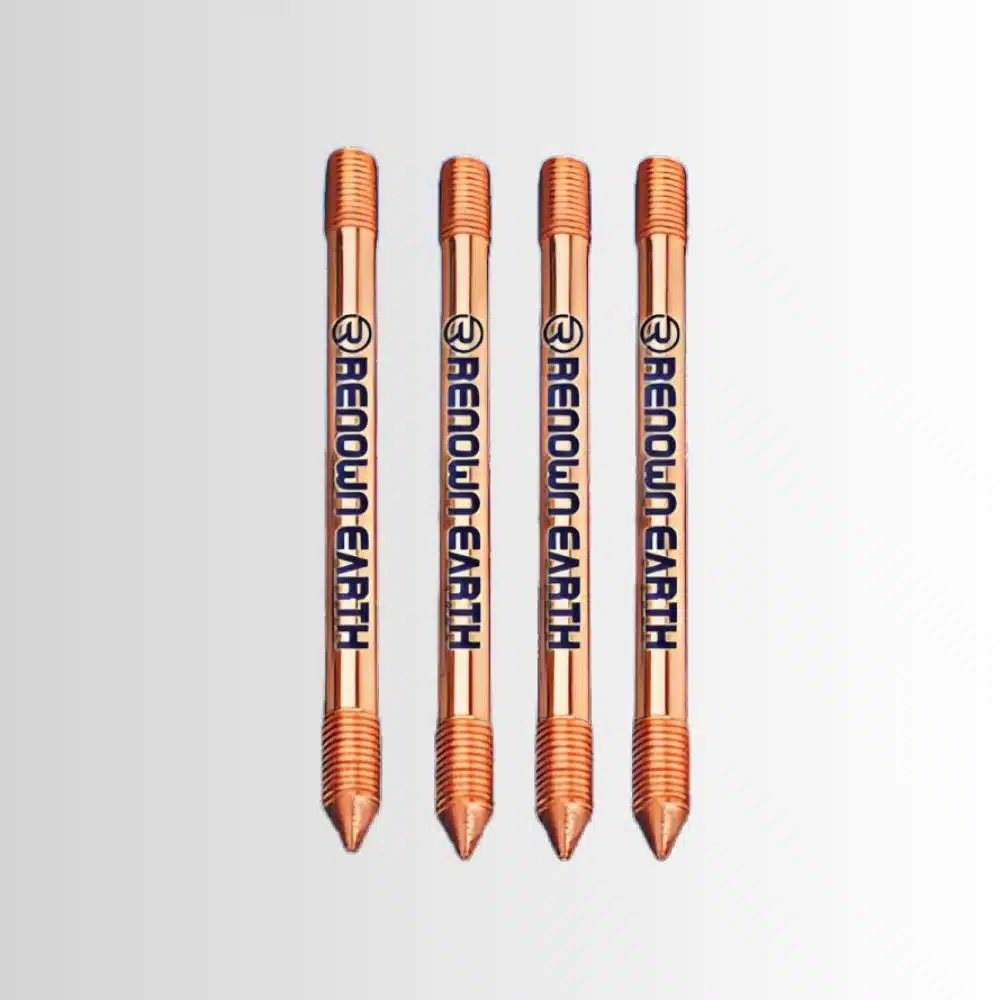
Earthing
Chemical earthing and grounding protection systems.

Lightning Arrester
Modern lightning protection for industrial facilities.
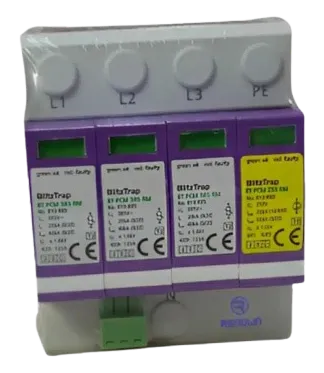
Surge Protection Device
Safeguard your building and electrical systems.
Contact UsNeed custom protection solutions?
Consult with our technical experts.
-
Our Presence
PAN India Operations
Strategic office locations for fast industrial support and technical consultation.
-
Renown Power
Building Safer Infrastructure
Trusted earthing and lightning protection company serving industries across India.
- Contact Us
- Blogs

Earthing Solutions
Engineered for maximum electrical safety and durability, our solutions protect every connection from unexpected surges.
What is Earthing?
Earthing is a crucial safety process that safely transfers excess electrical current into the ground. It helps prevent electric shocks, protects equipment from damage, and ensures the stability of electrical systems. A properly designed earthing system plays a vital role in maintaining safety across residential, commercial, and industrial environments.

Our Featured Products
Explore our range of advanced earthing and lightning protection products designed for maximum safety and performance.

GI Earthing Electrode
A cost-effective and robust earthing solution widely used in residential and industrial installations, ensuring safety, stability, and optimal fault current dissipation.

Pure Copper Electrode
Manufactured using 99.9% pure electrolytic copper, this electrode ensures superior conductivity, long service life, and excellent corrosion resistance for reliable grounding systems.

Copper Bonded Electrode
Designed with a high tensile steel core and molecularly bonded copper coating, copper bonded electrodes provide excellent conductivity, superior mechanical strength, and long-lasting corrosion resistance for efficient earthing systems.

Copper Bonded Rod
Combining strength and conductivity, these rods offer enhanced corrosion protection and are ideal for long-term grounding performance in diverse soil conditions.

Solid Copper Rod
Designed for high durability and consistent performance, our solid copper rods provide excellent grounding efficiency and long-term resistance against harsh environmental conditions.

GI Plate
Built for dependable grounding solutions, GI plates offer strong mechanical strength and corrosion resistance, making them suitable for industrial earthing systems.

Copper Plate
Designed for efficient earthing applications, copper plates provide exceptional conductivity, durability, and resistance against corrosion for long-lasting performance.

GI Strip
These galvanized iron strips are ideal for grounding networks, delivering reliable conductivity, robust strength, and long-term resistance to environmental exposure.

Copper Strip
Manufactured with high-grade copper, these strips deliver excellent electrical conductivity and are widely used for effective grounding and lightning protection systems.

GI Plate Earthing
GI plate earthing is a reliable grounding solution using galvanized iron plates to safely dissipate fault current. It offers durability, corrosion resistance, and cost-effective electrical safety.

Copper Plate Earthing
Copper plate earthing provides superior grounding performance with excellent conductivity and long life. It is ideal for high-reliability electrical and industrial applications.

Back Fill Compound
Our back fill compound enhances earthing efficiency by reducing soil resistivity and maintaining stable grounding performance even in dry and rocky soil conditions.

Polyplastic Pit Cover
Lightweight yet durable, our polyplastic pit covers provide secure protection for earthing chambers while offering excellent resistance against weather and impact.


Why Earthing is important?
The primary purpose of earthing is to avoid or minimize the danger of electrocution, fire due to earth leakage of current through the undesired path and to ensure that the potential of a current-carrying conductor does not rise regarding the earth than its designed insulation.
When the metallic part of electrical appliances (parts that can conduct or allow passage of electric current) comes in contact with a live wire, maybe because of failure of installations or failure in cable insulation, the metal becomes charged, and static charge accumulates on it. If a person touches such a charged metal, resulting in a severe shock to the person.
To avoid such instances, the power supply systems and parts of appliances have to be earthed to transfer the charge directly to the earth. Therefore, we need Electrical Earthing or Grounding in electrical installation systems.
Benefits of Our Earthing Systems
Essential advantages of our earthing solutions designed for safety and performance
Prevents Electric Shocks
Ensures safe discharge of fault current, reducing the risk of electrical hazards and accidents.
Protects Equipment
Safeguards electrical systems and devices from damage caused by voltage fluctuations and faults.
Long-Lasting Performance
Built with durable materials to provide reliable performance and extended service life.
High Conductivity
Designed for efficient current flow, ensuring quick and effective grounding.
Features & Advantages of
Earthing
Designed to deliver superior conductivity and durability
Merits of Chemical Earthing electrodes are as follows:
- It requires low maintenance.
- Installing it is very easy and is fast on-site.
- It is highly conductive and Corrosion-free.
- The merit includes high durability, life-saving & cost-effective solutions.

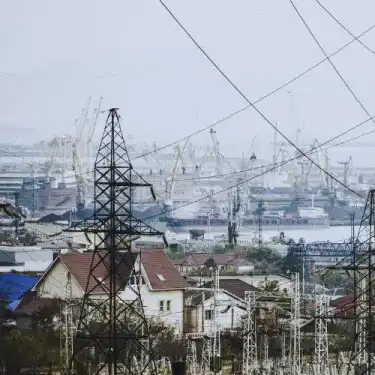
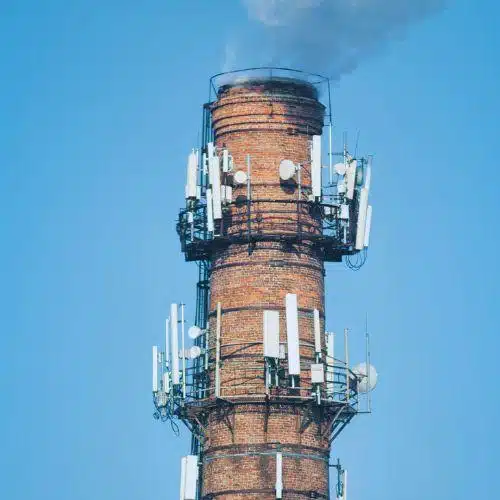
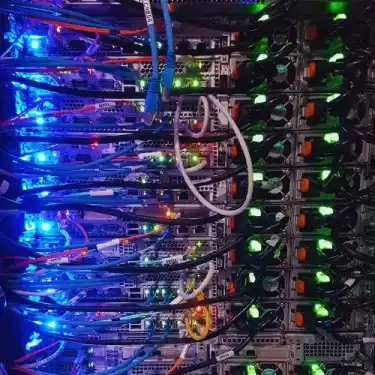
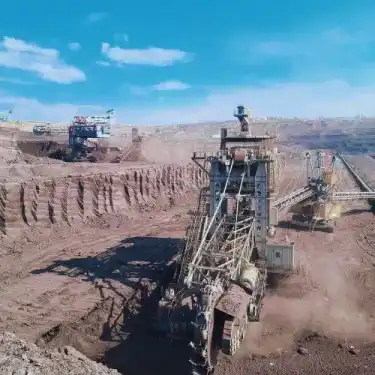
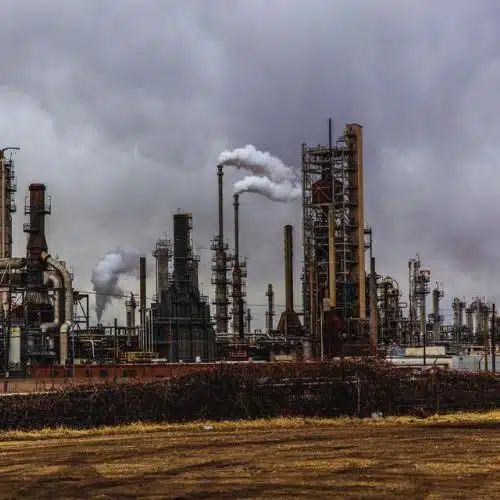
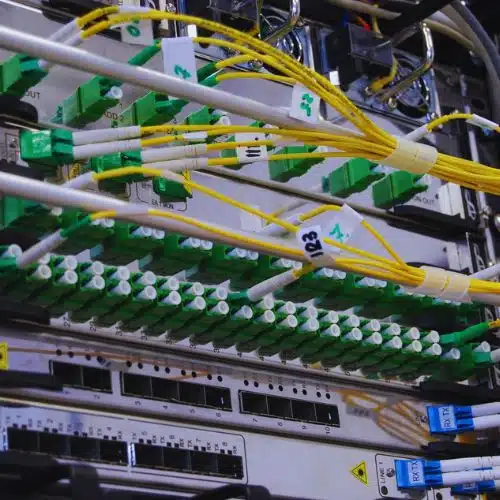
Industries We Serve
Our solutions are designed to meet the safety demands of modern industrial and commercial environments.



Got Questions? We've Got Answers
Find answers to common questions about earthing and grounding solutions.
What is Earthing?
Earthing (grounding) is the process of safely transferring electrical current into the ground. It provides a path for leakage or fault current, protecting electrical systems and ensuring safety in installations.
Why is earthing important?
Earthing helps prevent electric shocks, reduces the risk of fire due to leakage current, and ensures that electrical equipment operates safely by maintaining voltage at safe levels.
What materials are used for earthing?
The most commonly used materials are copper and galvanized iron (GI) due to their high conductivity and durability. Aluminum is sometimes used for above-ground bonding but is generally avoided as an earth electrode because of corrosion risks.
What happens if earthing is not done properly?
Improper earthing can lead to electric shocks, equipment damage, fire hazards, and failure of electrical systems due to uncontrolled fault currents.
What is a chemical earthing electrode?
A chemical earthing electrode is a modern grounding solution designed to maintain low soil resistivity. It ensures efficient current dissipation, high conductivity, and long-term performance with minimal maintenance.
What are the advantages of chemical earthing?
Chemical earthing offers high conductivity, corrosion resistance, long life, low maintenance, and quick installation. It is also a cost-effective and reliable safety solution.
Where are earthing systems used?
Earthing systems are widely used in petrochemical plants, CNG stations, transformers, lifts, data centers, telecom infrastructure, and broadcasting systems to ensure electrical safety.
How does earthing protect people from electric shock?
If a fault occurs and a metal part becomes live, earthing directs the current safely into the ground. This prevents the current from passing through a person who touches the equipment.
Ready to Upgrade Your
Power System?
Get expert power solutions tailored for your business. Enter your email and our team will connect with you.
We respect your privacy. Unsubscribe at any time.